




NABJ Demands Respect for Black Women Journalists

NABJ Mourns the Loss of Investigative Reporters and Editors (IRE) Executive Director Diana R. Fuentes
03/23/2026
NABJ Announces 2026 Hall of Fame Inductees and Special Honors Recipients
05/14/2026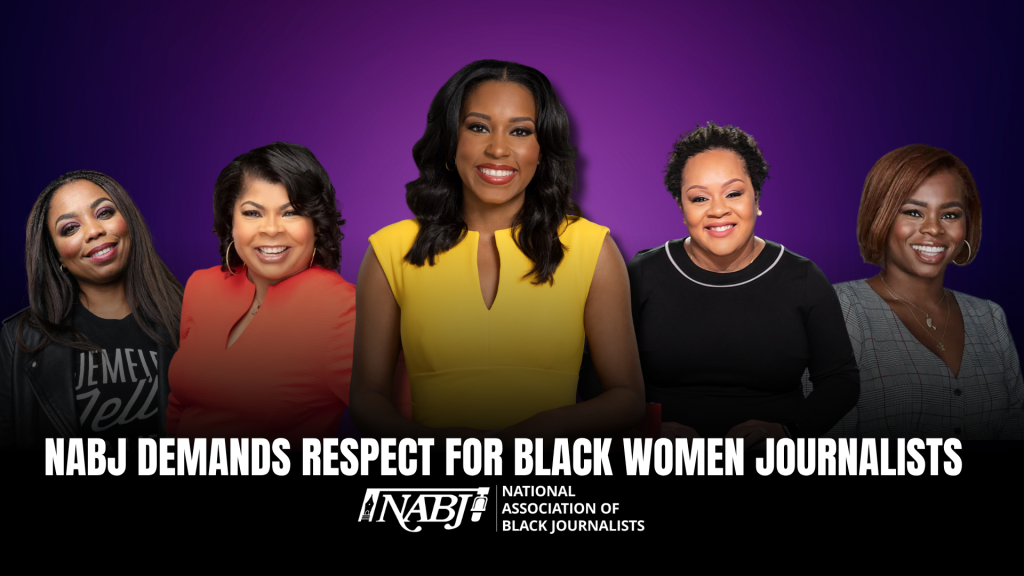
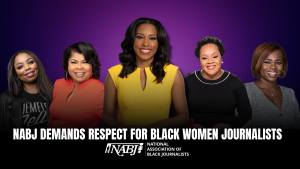
The National Association of Black Journalists (NABJ) is calling for an immediate end to the continued tone of disrespect, hostility and public denigration directed at Black women journalists who are doing their jobs.
The latest incident involving ABC News Senior Congressional Correspondent Rachel Scott is part of a larger and deeply troubling pattern: Black women journalists are too often singled out, insulted or demeaned for asking legitimate questions, reporting facts and holding power to account.
No journalist should be subjected to personal attacks, ridicule or intimidation by any elected official for carrying out their professional responsibilities as protected by the First Amendment. Black women journalists have the same right as their colleagues to ask tough questions, pursue the truth and serve the public without being targeted or disrespected.
The president’s reference to “dirt” while insulting a Black woman journalist was especially disturbing. Whatever his intent, the remark landed as part of a familiar pattern in which Black women journalists are demeaned personally rather than answered substantively.
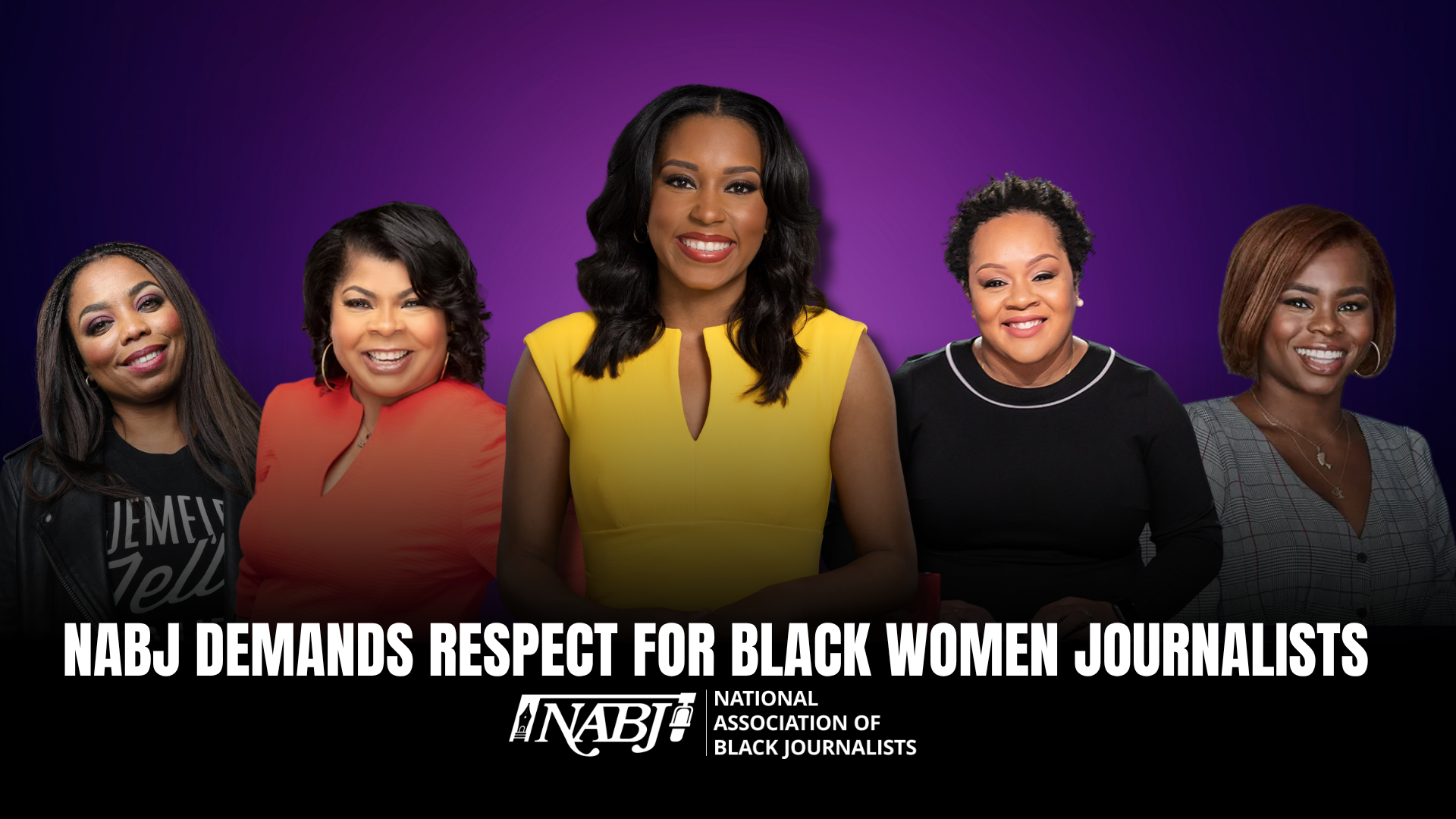
This pattern is not new. Respected Black journalists including April Ryan, Yamiche Alcindor, Jemele Hill, Jasmine Wright and others have faced similar public attacks for doing the work our democracy requires. These incidents do not merely affect individual journalists; they contribute to a hostile climate for Black journalists broadly and undermine the public’s trust in a free and independent press.
“NABJ will always defend the ability of Black journalists to do their jobs fully, freely and safely,” said NABJ President Errin Haines. “When Black women journalists are targeted, insulted or demeaned for asking legitimate questions, it is not only an attack on them personally — it is an attack on the role of a free press in our democracy. We will not allow our members or our profession to be diminished for doing the work the public depends on.”
A free press is not a privilege granted by those in power; it is a constitutional pillar of our democracy. Elected officials at every level have a responsibility to respect the role of journalists, even — and especially — when they are asked questions they do not like.
NABJ will continue to defend the dignity, safety and freedom of Black journalists and all members of the press. Black women journalists must be able to operate with professionalism and integrity, without fear of being targeted, demeaned or retaliated against by those in power.